Learning the lessons of history 2
The story of the European Union 4
What the EU does 8
The EU and its neighbours 10
Peace 12
The European Union countries 13
How the EU takes decisions 14
The EU and Japan 16
17

17
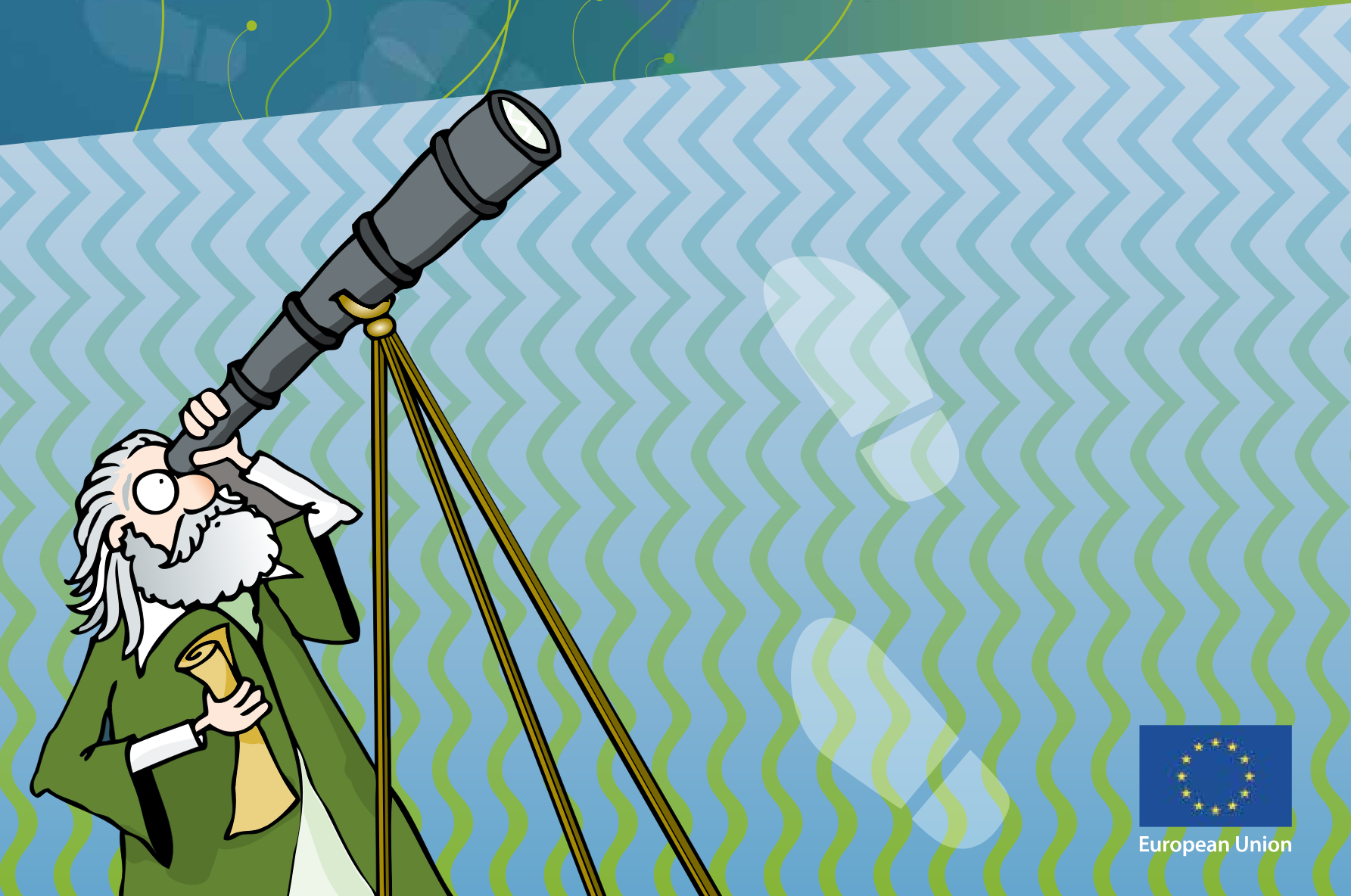
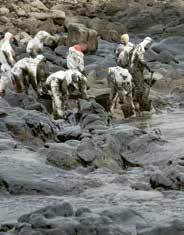
Sadly, the story of Europe is not all about great achievements we can be proud of. There are also many things to be ashamed of. Down the centuries, European nations fought terrible wars against each other. These wars were usually about power and property, or religion.
European colonists killed millions of native people on other continents – by fighting or mistreating them, or by accidentally spreading European diseases among them. Europeans also took millions of Africans to work as slaves.
Lessons had to be learnt from these dreadful wrongdoings. The European slave trade was abolished in the 1800s. Colonies gained their freedom in the 1900s. And peace did come to Europe at last.
To find out how, read the chapter called ‘Reunited and expanded: the story of the European Union’.
Regrettably, there have been many quarrels in the European family. Often they were about who should rule a country, or which country owned which piece of land. Sometimes a ruler wanted to gain more power by conquering his neighbours, or to prove that his people were stronger and better than other peoples.
One way or another, for hundreds of years, there were terrible wars in Europe. In the 20th century, two big wars started on this continent but spread and involved countries all around the world. That is why they are called world wars. They killed millions of people and left Europe poor and in ruins.
Could anything be done to stop these things happening again? Would Europeans ever learn to sit down together and discuss things instead of fighting?
The answer is ‘yes’.
That’s the story of our next chapter: the story of the European Union.
We Europeans belong to many different countries, with different languages, traditions, customs and beliefs. Yet we belong together, like a big family, for all sorts of reasons.
Here are some of them.
> We have shared this continent for thousands of years.
> Our languages are often related to one another.
> Many people in every country are descended from people from other countries.
> Our traditions, customs and festivals often have the same origins.
> We share and enjoy the beautiful music and art, and the many plays and stories, that people from all over Europe have given us, down the centuries.
> Almost everyone in Europe believes in things like fair play, neighbourliness, freedom to have your own opinions, respect for each other and caring for people in need.
> So we enjoy what’s different and special about our own country and region, but we also enjoy what we have in common as Europeans.
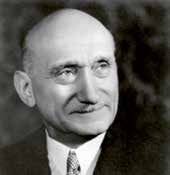



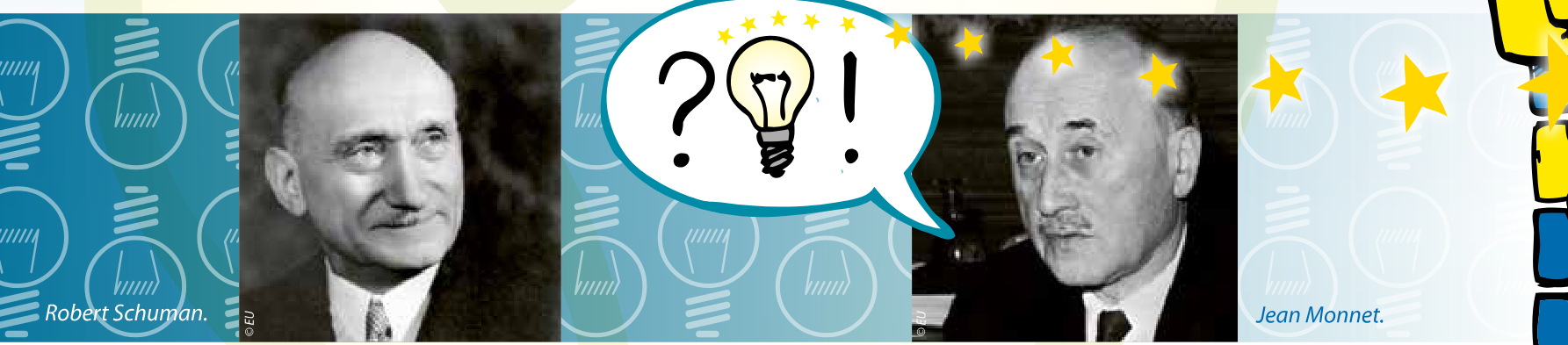


The Second World War ended in 1945. It had been a time of terrible destruction and killing, and it had started in Europe. How could the leaders of European countries stop such dreadful things from ever happening again? They needed a really good plan that had never been tried before.
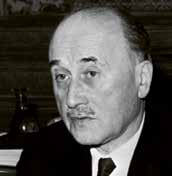
A Frenchman called Jean Monnet thought hard about this. He realised that there were two things a country needed before it could make war: iron for producing steel (to make tanks, guns, bombs and so on) and coal to provide the energy for factories and railways. Europe had plenty of coal and steel: that’s why European countries had easily been able to make weapons and go to war.
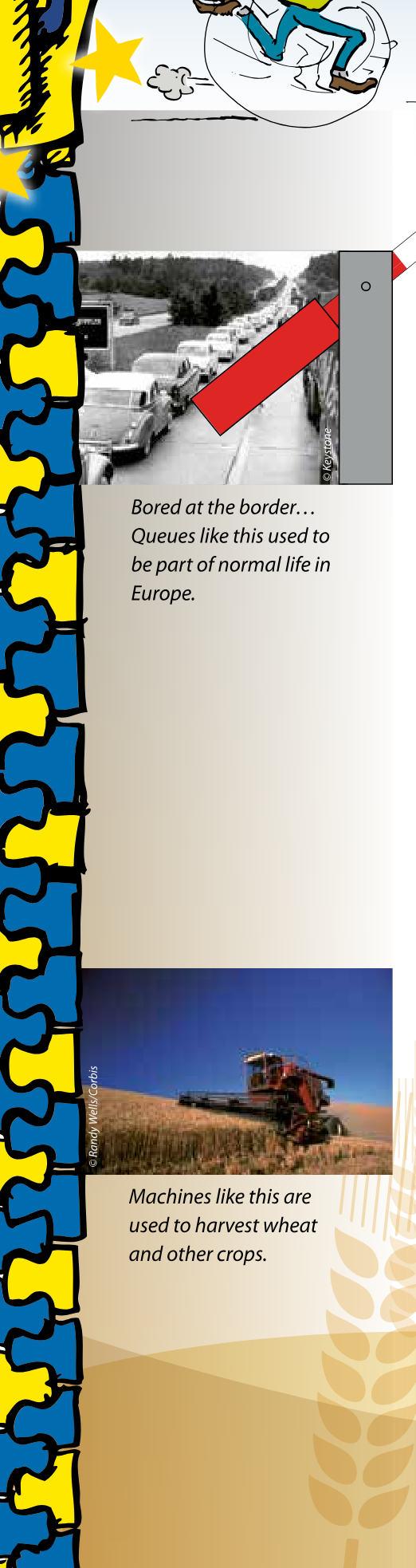


Meanwhile, exciting things were happening beyond the EU’s borders. For many years, the eastern and western parts of Europe had been kept apart. The rulers in the eastern part believed in a system of government called ‘Communism’, which resulted in a hard life for the population there. People were oppressed, and many of those who spoke up against the regime were sent to prison.
When more and more people fled from the east to the west, rulers in the east became afraid. They erected tall fences and high walls, like the one in Berlin, to prevent people from leaving their countries. Many who tried to cross the border without permission were shot. The separation was so powerful that it was often described as an ‘Iron Curtain’.
Finally, in 1989, the separation ended. The Berlin Wall was knocked down and the ‘Iron Curtain’ ceased to exist. Soon, Germany was reunited. The peoples of the central and eastern parts of Europe chose for themselves new governments that got rid of the old, strict Communist system. 1989: They were free at last! It was a wonderful time of celebration. demolishing the Berlin Wall.
The countries that had gained freedom began asking whether they could join the European Union, and soon there was quite a queue of ‘candidate’ countries waiting to become EU members.
Before a country can join the European Union, its economy has to be working well. It also has to be democratic – in other words, its people must be free to choose who they want to govern them. And it must respect human rights. Human rights include the right to say what you think, the right not to be put in prison without a fair trial, the right not to be tortured, and many other important rights as well.
The former Communist countries worked hard at all these things and, after a few years, eight of them were ready: the Czech Republic, Estonia, Hungary, Latvia, Lithuania, Poland, Slovakia and Slovenia.
They joined the EU on 1 May 2004, along with two Mediterranean islands
– Cyprus and Malta. On 1 January 2007, two more former Communist countries, Bulgaria and Romania, joined the group. Croatia joined the EU on 1 July 2013, bringing the total to 28 countries.
Never before have so many countries joined the EU in such a short time. This is a real ‘family reunion’, bringing together the eastern, central and western parts of Europe.




1800
1900
20
1945
1950
5 9
ECSC
ECSC 1951
61950
EEC
EEC1957
EECCAP
EEC
CAP
EECEEC
1960
EEC
1973
1981
1986
1995
15
EEC1992EEC
1992EU
EU
| 2 | 5 | 2004 | 1 | |
| EU | 2007 | EU | ||
| EU | 1 | 1 | 2 | |
| EU | ||||
| EU | 2013 | 7 | 1 | 28 |
| EU | ||||
| EU | ||||
| EU |
EU
EU
EU
EUEU
EU
EU
EU
EU
EUEU
EU
EU
EUEU
EUEU
EU
| ① | Brussels | ⑮ | Vilnius |
|---|---|---|---|
| ② | So�a | ⑯ | Luxembourg |
| ③ | Prague | ⑰ | Budapest |
| ④ | Copenhagen | ⑱ | Valletta |
| ⑤ | Berlin | ⑲ | Amsterdam |
| ⑥ | Tallinn | ⑳ | Vienna |
| ⑦ | Dublin | ㉑ | Warsaw |
| ⑧ | Athens | ㉒ | Lisbon |
| ⑨ | Madrid | ㉓ | Bucharest |
| ⑩ | Paris | ㉔ | Ljubljana |
| ⑪ | Zagreb | ㉕ | Bratislava |
| ⑫ | Rome | ㉖ | Helsinki |
| ⑬ | Nicosia | ㉗ | Stockholm |
| Riga | ㉘ | London | |
| ① | Belgium | ⑮ | Lithuania |
| ② | Bulgaria | ⑯ | Luxembourg |
| ③ | Czech Republic | ⑰ | Hungary |
| ④ | Denmark | ⑱ | Malta |
| ⑤ | Germany | ⑲ | Netherlands |
| ⑥ | Estonia | ⑳ | Austria |
| ⑦ | Ireland | ㉑ | Poland |
| ⑧ | Greece | ㉒ | Portugal |
| ⑨ | Spain | ㉓ | Romania |
| ⑩ | France | ㉔ | Slovenia |
| ⑪ | Croatia | ㉕ | Slovakia |
| ⑫ | Italy | ㉖ | Finland |
| ⑬ | Cyprus | ㉗ | Sweden |
| ⑭ | Latvia | ㉘ | United Kingdom |
EU
EU
EU
(Belgique/België)
(Bruxelles/Brussel)
(България//Bulgaria)
(София/Sofia)
(Česká republika)
(Praha)
(Danmark)
(København)
(Deutschland)
(Berlin)
(Eesti)
(Tallinn)
(Éire/Ireland)
(Baile Atha Cliath/Dublin)
(Ελλάδα/Elláda)
(Αθήνα/Athinai)
(España)
(Madrid)
(France)
(Paris)
(Hrvatska)
(Zagreb)
(Italia)
(Roma)
(Κύπρος/Kypros)
(Λευκωσία/Lefkosia)
(Kibris)
(Lefkosa)
(Latvija)
(Rīga)
(Lietuva)
(Vilnius)
(Luxembourg)
(Luxembourg)
(Magyarország)
(Budapest)
(Malta)
(Valletta)
(Nederland)
(Amsterdam)
(Österreich)
(Wien)
(Polska)
(Warszawa)
(Portugal)
(Lisboa)
(România)
(Bucureşti)
(Slovenija)
(Ljubljana)
(Slovensko)
(Bratislava)
(Suomi/Finland)
(Helsinki/Helsingfors)
(Sverige)
(Stockholm)
(United Kingdom)
(London)
EU
EU
EU
EUEU1
EU
EU
EU1
EU
EU
EU EU EU EU
EU
www.euinjapan.jp
Erasmus+
| 4 | 7 | EU | 28 |
| 4 | 8 | ||
| 5 | |||
| 8 | EU | ||
| 5 | 8 | EU | |
| 6 | 9 | EU | |
| 6 | |||
| 9 | EU | ||
| 6 | 9 | EU | |
| 12 | |||
| 7 | 1989 | 14 | EU |
| EU |
Tel. 03-6408-0281 http://www.eu-japan.eu2
EU
| CoE | Tel. 078-803-7077 | http://www.office.kobe-u.ac.jp/intl-prg/jmcoe/ | |
|---|---|---|---|
| CoE | Tel. 092-802-2190 | http://eu.kyushu-u.ac.jp/jmcoejp.html | |
| EU | Tel. 03-5418-6409 | http://www.jean-monnet-coe.keio.ac.jp/ | |
| EU | 1982 | Tel. 011-706-2973 | https://www.lib.hokudai.ac.jp/un-eu-oecd/ |
| EU | 1983 | Tel. 022-795-5935 |
http://www.library.tohoku.ac.jp/collection/global.html
| EU | 1978 | Tel. 03-3204-8960 | https://www.waseda.jp/fpse/winpec/about/eui/ |
| EU | 1980 | Tel. 03-5841-2645 | |
| EU | 1982 | Tel. 03-5427-1658 | http://www.mita.lib.keio.ac.jp/ |
| EU | 1985 | Tel. 03-3238-3902 | http://dept.sophia.ac.jp/is/ei/ |
| EU | 1979 | Tel. 042-674-2591 | |
| http://www.chuo-u.ac.jp/library/library_service/tamacampus/int_dataroom/ | |||
| EU | 1991 | Tel. 042-580-8241 | http://www.lib.hit-u.ac.jp/ |
| EU | 1985 | Tel. 076-264-5211 | http://library.kanazawa-u.ac.jp/ |
| EU | 1985 | Tel. 055-980-0860 | http://www.ir.nihon-u.ac.jp/idc/ |
| EU | 1973 | Tel. 052-789-4922 | http://www.nul.nagoya-u.ac.jp/eco/ |
| EU | 1976 | Tel. 075-251-3980 |
http://library.doshisha.ac.jp/guide/specially/eu.html
| EU | 1983 | Tel. 06-6368-0267 | http://opac.lib.kansai-u.ac.jp/ |
| EU | 2007 | Tel. 0798-54-6127 | |
| https://www.kwansei.ac.jp/i_industrial/i_industrial_005157.html | |||
| EU | 1983 | Tel. 087-832-1241 | https://w3.lib.kagawa-u.ac.jp/ |
| EU | 1985 | Tel. 084-936-2111 | |
| http://www.fukuyama-u.ac.jp/library/guide/entry-3144.html | |||
| EU | 1969 | Tel. 092-823-3426 | |
| https://opac.seinan-gu.ac.jp/library/facility/reference/about | |||
| EU | 1985 | Tel. 098-895-8166 | http://www.lib.u-ryukyu.ac.jp/kokusai/edc.html |
| 1963 | Tel. 03-3581-2331 | http://rnavi.ndl.go.jp/politics/ | |
| EU | |||
| EU | http://www.ishikawa-eu.org/ | ||
| EU | Tel. 089-908-5151 | ||
| EU | Tel. 092-725-9200 | http://www.fukuoka-eu.com/ | |
| EU | Tel. 0952-28-2145 | ||
| https://www.facebook.com/sagakeneu https://twitter.com/sagakeneu |